World Population Day | July 11th: An African Perspective
July 11, 2025
World Population Day | July 11th: An African Perspective
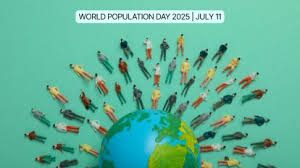
World Population Day, observed annually on July 11th, highlights the complex relationship between a growing human population and a finite planet. In the African context, this relationship takes on particular urgency, emphasizing the importance of balancing human well-being with environmental sustainability and economic development. Rapid population growth, coupled with specific challenges unique to the continent, places considerable strain on resources and infrastructure.
A Growing Continent, Growing Concerns
Sub-Saharan Africa's population is projected to experience significant growth in the coming decades. This growth, while representing potential human capital, simultaneously intensifies existing challenges. Demand for resources like land, water, and energy increases, while the continent faces ongoing disparities in access to essential services. Overcrowding in urban centers, alongside persistent rural poverty and food insecurity, underscores the need for sustainable solutions.
Unique African Challenges
The continent grapples with specific factors impacting population dynamics, including:
Poverty and Inequality: Limited access to education, healthcare, and economic opportunities can lead to high birth rates in some communities. Gender inequality often compounds this issue. Climate Change: Droughts, floods, and unpredictable weather patterns directly affect food security and displacement, which influence population growth patterns and resource availability. Disease Outbreaks: HIV/AIDS, malaria, and other diseases have significant impacts on population health and demographic trends. Addressing these diseases is essential to facilitating sustainable development. Conflict and Instability: Political instability and conflict create displacement and disrupt development efforts, negatively impacting population health and resource management. Limited Access to Family Planning: Comprehensive access to reproductive health services, including family planning, is crucial for empowering women and enabling them to make informed choices about family size.
Addressing the Challenges: An African Response
The global imperative for responsible population management intersects deeply with the unique needs of Africa. World Population Day, therefore, is a crucial platform for addressing these concerns and promoting sustainable solutions tailored to the continent's context. These solutions include:
Investment in Education and Healthcare: Prioritizing education, especially for girls, empowers women and promotes informed choices about family size. Strengthening healthcare systems, including maternal and child health services, is critical. Climate Change Adaptation: Investing in climate-resilient infrastructure, water management, and agricultural techniques is vital to ensuring food security and reducing displacement. Promoting Peace and Stability: Addressing the root causes of conflict and promoting peace and security are essential for sustainable development. Comprehensive Family Planning: Expanding access to family planning services, empowering women, and promoting reproductive health can influence population dynamics in a positive way.
How to Observe #WorldPopulationDay (African Focus):
Engage with local organizations: Support African organizations working on family planning, reproductive health, and sustainable development. Advocate for policy change: Encourage policymakers to address the unique challenges faced by African countries regarding population growth. Raise awareness: Educate yourself and others about the specific issues concerning population growth and sustainability in Africa.
By understanding and addressing the unique challenges of population growth in Africa, we can work towards a future where the continent's potential can be realized while ensuring a sustainable and equitable world for all.


0 Comments